Published 18 November 2026 · 7 min read
- The short answer on price: As of late 2026, a complete installed 5 kW hybrid solar system in South Africa commonly falls somewhere between R85,000 and R160,000, depending on battery size, brand tier and site conditions.
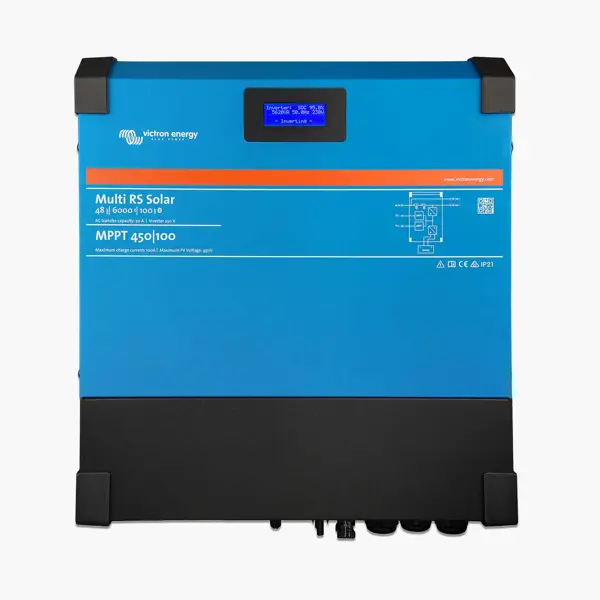
- What does 5 kW actually mean?: When installers say 5 kW system, they usually mean a 5 kW hybrid inverter.
- What is usually in the package: A typical 5 kW hybrid package includes: - 8 to 12 solar panels - One 5 kW hybrid inverter - One or more lithium batteries, often 5 to 10 kWh in total - Roof mounting rails and fixings - DC cables, isolators and surge protection - AC distribution board changes, breakers and an essential loads circuit - Installation labour, commissioning and monitoring setup - Electrician's Certificate of Compliance Check that the quote lists each item with brand and model.
- Price drivers inside a 5 kW quote: Within the same 5 kW inverter size, price varies mostly because of the following.
- What a 5 kW hybrid system can run: A 5 kW inverter can supply up to 5 kW at once, so what it can run depends on what is on at the same time.
The short answer on price
As of late 2026, a complete installed 5 kW hybrid solar system in South Africa commonly falls somewhere between R85,000 and R160,000, depending on battery size, brand tier and site conditions. A 5 kW grid-tied system with panels and no battery is cheaper, and a system with a very large battery bank costs more.
Prices vary by brand and site, and the rand exchange rate affects imported equipment. Treat these figures as a planning range, not a quote.
This article explains what the 5 kW refers to, what a typical package includes, how battery choice shifts the price, what a 5 kW system can and cannot run, and what to check before you accept a quote.
What does 5 kW actually mean?
When installers say 5 kW system, they usually mean a 5 kW hybrid inverter. That number is the maximum continuous power the inverter can deliver to your loads. It is not the panel size and it is not the battery size.
A 5 kW inverter is often paired with around 6 to 8 kW of solar panels, which is about 10 to 14 panels of 550 W to 600 W. The battery is separate, commonly from 5 kWh up to 15 kWh or more.
So a 5 kW system could have a 5 kWh battery and 8 panels in one quote, and a 15 kWh battery and 12 panels in another. Those are very different systems with very different prices, even though both are called 5 kW.
What is usually in the package
A typical 5 kW hybrid package includes:
- 8 to 12 solar panels
- One 5 kW hybrid inverter
- One or more lithium batteries, often 5 to 10 kWh in total
- Roof mounting rails and fixings
- DC cables, isolators and surge protection
- AC distribution board changes, breakers and an essential loads circuit
- Installation labour, commissioning and monitoring setup
- Electrician's Certificate of Compliance
Check that the quote lists each item with brand and model. If cable, protection and labour are missing, the price may look low until extras are added.
Price drivers inside a 5 kW quote
Within the same 5 kW inverter size, price varies mostly because of the following.
Battery capacity is the biggest factor. Each extra 5 kWh of lithium storage can add tens of thousands of rand.
Brand tier matters. Premium inverter and battery brands cost more than mid-range, and they often come with stronger local support.
Roof and cabling affect labour. Long cable runs, difficult roofs, or a DB board that needs upgrading add to cost.
Single phase or three phase supply matters. A single phase 5 kW inverter is the common home choice, while three phase homes might need a three phase inverter.
Finally, municipal paperwork such as SSEG registration may carry fees or take time, depending on your area.
What a 5 kW hybrid system can run
A 5 kW inverter can supply up to 5 kW at once, so what it can run depends on what is on at the same time.
Typical loads it handles comfortably:
- Lights, TV, decoder, Wi-Fi router and laptops
- Fridge and chest freezer
- Washing machine, usually
- Microwave and kettle, one at a time
- Dishwasher, usually
- Pool pump, depending on its power
- A small split air conditioner
Loads that are harder: electric stove and oven, large geysers, ducted air conditioning and several heavy appliances running together. These can exceed 5 kW or drain the battery quickly. For these, use gas, a solar geyser, or timers so that heavy loads run in sunshine.
During load shedding or load reduction, the system can run your essential circuits, and the battery decides how long.
Battery pairing for a 5 kW inverter
Battery capacity determines how many hours you stay powered. Rough guide using usable kWh and an average load:
- 5 kWh battery with 1 kW average load: about 5 hours
- 10 kWh battery with 1 kW average load: about 10 hours
- 10 kWh battery with 2 kW average load: about 5 hours
A common choice for a family home is 10 kWh paired with a 5 kW inverter. This covers most load shedding blocks and a good part of the evening. A 5 kWh battery works for smaller backup needs, and 15 kWh suits homes wanting more overnight cover.
Check that the battery and inverter are compatible and communicate over a recommended protocol. The battery's maximum discharge power also matters, because a small battery may not be able to supply the full 5 kW.
Grid-tied 5 kW versus hybrid 5 kW
A grid-tied 5 kW system without a battery is much cheaper, often in the tens of thousands of rand, but it does not supply power during an outage. It reduces your bill during the day.
A hybrid system costs more because of the battery and the more complex inverter, but it provides backup. For most South African households, backup during load shedding and load reduction is the main reason to buy solar, so hybrid is the usual choice.
Another option is to start with a hybrid inverter and a smaller battery, then add storage later. Confirm the inverter supports expansion and that the battery brand allows extra modules.
Questions to ask before accepting a quote
Ask each installer these questions in writing.
- Which exact inverter, battery and panel models are included
- How many usable kWh does the battery provide
- What is the maximum load the system supports
- Does the price include the Certificate of Compliance and SSEG paperwork
- What is the warranty on each component and who handles claims
- What happens after installation if there is a fault
- What payment milestones are proposed
Reputable installers answer clearly. Vague answers and pressure to pay in full upfront are red flags.
Hidden costs to watch for
Some costs are not in the first quote. Distribution board upgrades, additional earthing, extra surge protection, scaffolding for tall roofs, and trenching for ground cables can all add up. Ask whether these are included or will be quoted after a site visit.
Also consider ongoing items such as cleaning panels, possible monitoring subscriptions, and future battery replacement. None of these should stop a good project, but they should be understood upfront.
If you live in an estate or complex, check the body corporate rules before ordering, because some require approval for roof panels.
Example package builds at different budgets
To make the range concrete, here are three illustrative builds. They are examples, not offers.
- Entry hybrid: 5 kW inverter, 5 kWh lithium battery, 8 panels. Suits lights, fridge, Wi-Fi and TV during outages. Toward the lower end of the range.
- Family hybrid: 5 kW inverter, 10 kWh battery, 10 to 12 panels. Covers most load shedding blocks and recharges daily in good sun. Middle of the range.
- Extended hybrid: 5 kW inverter, 15 kWh battery, 12 to 14 panels. Gives more evening cover and some independence from the grid. Upper end of the range.
Each step up is mostly a battery decision. If you are unsure, start by listing the hours of outage you want to cover and the loads you must keep on, then match the battery to that list instead of to a package name.
Payment terms, timelines and what to expect on install day
A 5 kW residential installation is usually completed in one to three days once equipment is on site, though ordering, municipal paperwork and electrician sign-off can stretch the overall timeline to a few weeks. Ask for a written schedule.
Expect the team to work on the roof, mount the inverter and battery, run cables, modify the distribution board and commission the system. Clear space around the DB and the inverter location beforehand, and make sure someone can give access to the roof and meter.
Before final payment, ask for a walkthrough, the Certificate of Compliance, warranty documents, app login details and a short training on how to use the system.
Next step: get a 5 kW quote for your home
Send us your electricity bill, a photo of your DB board and your roof, and a list of what you want to run during outages. We will tell you whether 5 kW is right or whether you need smaller or larger, and give an itemised quote with brands, warranties and timelines.
Use the quote form on this site or contact SA Solar Hub. We install across Gauteng, including Sandton, Pretoria East and Centurion, and supply equipment to every province and SADC.
Frequently asked questions
How much does a 5 kW solar system cost in South Africa?
As of late 2026, a complete installed 5 kW hybrid system usually costs roughly R85,000 to R160,000 depending on battery size, brand tier and site. Prices vary by brand and site, so always get an itemised quote. Remember that prices vary by brand and site, and the rand moves, so confirm a written quote with a validity date.
What can a 5 kW solar system run?
It can run lights, fridge, freezer, TV, Wi-Fi, washing machine and many other appliances. Heavy loads like electric stoves, big geysers and ducted air conditioning may be too much unless managed with timers or alternatives. Heavy appliances can still work if they are used in daytime or on a timer, so ask your installer to plan the circuits.
How many panels does a 5 kW system need?
A 5 kW inverter is commonly paired with about 6 to 8 kW of panels, which is roughly 10 to 14 panels of 550 W to 600 W. The exact number depends on roof space, orientation and inverter input limits. More panels than the inverter rating is normal, and the installer should confirm limits before ordering.
What size battery should I get with a 5 kW inverter?
Many homes choose 5 to 10 kWh. A 10 kWh battery covers most load shedding blocks for essential circuits. Choose based on your evening usage and how long you want to stay powered. A larger battery gives more hours, but remember to confirm the maximum discharge rate of the battery.
Is a 5 kW system enough for a family home?
For many families with careful load management, yes. A home with electric stove, pool pump and ducted air conditioning on the same system may need more capacity. See our article on whether 5 kW is enough. The answer depends on how many heavy appliances run together, so a load list is the best first step.
Do I need a certificate for my 5 kW system?
Yes. A registered electrician must issue a Certificate of Compliance, and grid-connected systems usually need SSEG registration with your municipality. Keep the documents for insurance and resale. Request digital copies and store them with your property records. Ask the installer to email the compliance certificate, the single line diagram and the warranty documents on handover day.
Official sources
- Eskom
- SALGA / AMEU embedded generation resource portal (SSEG)
- Global Solar Atlas (World Bank Group / Solargis)
Put it into practice
More guides
Compare systems, panels and brands
Panels and brands:
Complete guides: Solar panels in South Africa · Solar panel installation in South Africa