Published 18 November 2026 · 7 min read
- Is it true that people are getting rid of solar?: You may have seen stories or forum posts about people removing their solar panels, and the search question is common: why are people getting rid of their solar panels? The honest answer is that some do, but the reasons are usually specific and avoidable.
- Bad installation is the biggest cause: Most solar horror stories trace back to workmanship.
- Roof leaks and mounting problems: Every roof penetration is a potential leak.
- Batteries: cost, life and mismatch: Batteries cause many of the disappointments.
- Expectation gaps and oversold savings: Some people remove or abandon systems because the savings were oversold.
Is it true that people are getting rid of solar?
You may have seen stories or forum posts about people removing their solar panels, and the search question is common: why are people getting rid of their solar panels? The honest answer is that some do, but the reasons are usually specific and avoidable. We are not aware of reliable South African statistics on how many systems are removed, so we will not invent one.
In our experience of the industry, and from what homeowners commonly report, removal or replacement typically follows a bad installation, a mismatch between the system and the household's needs, a failed or underperforming battery, a leaking roof, theft or insurance problems, or a house move.
Solar is a sound investment for many homes, but it is not trouble free. This article explains the main downsides openly, and what you can do to avoid them.
None of this is a reason to avoid solar. It is a reason to be a careful buyer. Almost every problem listed below has a simple check you can do before you sign, and we point to each one so you can use this as a checklist when comparing installers.
Bad installation is the biggest cause
Most solar horror stories trace back to workmanship. Common installation faults include loose or incorrectly crimped DC connectors, undersized cables, missing surge protection, poor earthing, panels mounted without proper roof structure checks, and DB boards left in a non-compliant state.
These faults can cause fires, tripped systems, poor output or roof damage. Because they are often hidden under panels or in ceilings, the owner may not notice until something fails.
How to avoid it: use a registered installer with verifiable experience, insist on a Certificate of Compliance from a registered electrician, ask for photographs of the wiring and DB before and after, and check whether installers working on the PV side hold PV GreenCard training. Do not choose on price alone.
Roof leaks and mounting problems
Every roof penetration is a potential leak. Roof hooks under tiles, bolts through IBR sheeting and rails fixed to old purlins all need correct sealing and fixing. Poor work can lead to water ingress in the ceiling months later, often after the first heavy rains.
Some homeowners remove panels to repair roofs, and some decide to relocate them after a leak. Strong wind on the Highveld can also expose weak mounting.
How to avoid it: ask how the installer seals and fixes each type of roof, ask for a workmanship warranty in writing that covers roof leaks caused by the installation, and have the roof inspected before panels go on if it is old or fragile. Slate, thatch and asbestos roofs need special care and sometimes are not suitable.
Batteries: cost, life and mismatch
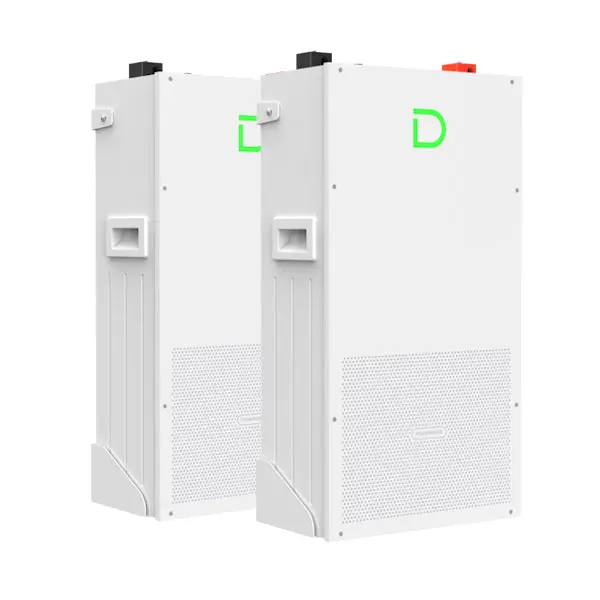
Batteries cause many of the disappointments. Reasons include buying a battery too small for expectations, mixing old and new batteries, poor communication settings with the inverter, cheap batteries with weak management systems, and replacement cost at the end of the battery life.
Lead acid batteries wear faster than lithium if cycled deeply, and early lithium products varied widely in quality. Even good batteries degrade over time, so the capacity you have after a few years is less than on day one.
How to avoid it: choose a battery from a supplier with a clear warranty and local support, check that it is approved for use with your inverter, size it for realistic evening use, and plan for eventual replacement in your financial calculation.
Also ask how the battery is protected. A good battery management system limits over-charge, over-discharge and heat, and the inverter app should show state of charge and any alarms.
Expectation gaps and oversold savings
Some people remove or abandon systems because the savings were oversold. A salesperson might promise that you will stop paying electricity altogether, when in reality fixed charges and grid use continue. Others expect to run an electric stove, a geyser and air conditioning from a small system and find the battery empties by 9 pm.
The remedy is a proper load assessment. A good installer asks for your bills, lists your appliances and explains what the system will and will not do. If the sales pitch skips these steps, be cautious.
Read our guides on whether you still pay Eskom with solar and on whether solar is cheaper than Eskom for realistic expectations.
Theft and security
Solar panels, inverters and batteries are targets for theft in some areas. Roof panels can be stolen, and batteries in garages or outbuildings can be taken. Theft is a major concern on farms and in areas with high crime.
How to avoid it: use security fixings and tamper-resistant bolts, install batteries and inverters inside a secure, well-lit area, add alarms or cameras covering the equipment, record serial numbers, and check that your insurance covers theft of solar equipment.
Some systems have remote monitoring that alerts you if production drops suddenly, which can be an early warning sign.
Insurance and compliance trouble
If a system is not certified, or the insurer was never told, a claim after a fire or storm can be disputed. Homeowners have also discovered problems when selling, because buyers or bank valuers ask for the Certificate of Compliance and municipal registration.
Grid-connected systems that were never registered with the municipality can lead to notices or requests to disconnect. Rules differ between City Power, Tshwane, Ekurhuleni, Cape Town and others, so check what applies to you.
How to avoid it: keep the Certificate of Compliance, the SSEG approval, equipment datasheets and invoices together. Tell your insurer about the system and confirm the cover, including hail and lightning.
Poor maintenance and monitoring
Panels need occasional cleaning, particularly on the Highveld in dry months when dust builds up. Shading from growing trees can reduce output. Inverter fault codes can go unnoticed for weeks if nobody checks the app.
Without monitoring, owners may not realise the system is underproducing, and then conclude that solar does not work. Often a loose connection or a tripped breaker is the cause.
How to avoid it: check the inverter app weekly, compare production on similar sunny days, schedule an annual inspection of connections, and keep your installer's contact details accessible.
When removal is a sensible choice
Sometimes taking panels down is reasonable. If you are moving house, you may take the system with you, though this is only practical if panels and inverter are in good condition. If a roof needs replacement, panels must be removed and reinstalled. If a very old low-quality system keeps failing, replacing it may make more sense than repairing it.
Reinstalling needs the same care as a new install, with a new Certificate of Compliance. Ask for a written quote before removal.
Cheap kits and unregistered installers
Online marketplaces and social media adverts sell low-priced solar kits and installers with no verifiable track record. Some of these jobs go well. Many do not, because the kit is mismatched, the cable is undersized, protection is missing, or the installer disappears after payment.
Check for a physical address, a company registration number, references you can phone and recent completed jobs you can see. Ask whether the electrician who signs the Certificate of Compliance is registered and who they work for. A very low price with no paperwork is usually a deferred cost, which arrives as a repair bill or a replacement job.
Pay in stages tied to delivery and completion, and never hand over the full amount before equipment arrives.
Load shedding changes and the future of your system
Another reason people question solar is a change in the grid situation. When load shedding eases, some owners feel the backup value is lower and focus on the bill savings alone. When outages return or load reduction hits a suburb, the same owners are glad of the battery.
Municipal rules and tariffs also change, including export credits and SSEG fees. A system designed around one policy can be less attractive when it shifts.
The practical answer is to design for what you control: reliable backup, sensible self-consumption and good equipment. Those benefits do not depend on any single policy, and they keep working whichever way the grid evolves.
Next step: get a second opinion or a proper design
If you are planning solar and want to avoid the common traps, send us your bill, roof photos and DB photos, and we will propose a system with named components and clear scope. If you already have a system with problems, we can review it and tell you what is wrong before you remove anything.
Use the quote form on this site or contact SA Solar Hub. We work in Gauteng, including Sandton, Pretoria East and Centurion, and supply equipment across South Africa and SADC.
Frequently asked questions
Why are people getting rid of their solar panels?
Reasons include poor installation, roof leaks, battery disappointment, oversold savings, theft, insurance issues and house moves. Most problems are avoidable with a registered installer, proper sizing, certified work and clear expectations. Ask for references and photos of past work, and confirm the registration of the electrician who signs off.
Can solar panels damage my roof?
Badly fitted panels can cause leaks or stress to the roof structure. A good installer checks the roof, uses suitable fixings and seals every penetration. Ask for a written workmanship warranty covering roof leaks. A written workmanship warranty and a site inspection before installation reduce the risk significantly.
How long do solar batteries last?
Lithium batteries often carry warranties of around 10 years, but real life depends on use, temperature and brand. Capacity falls gradually, so plan for eventual replacement in your budget. Ask the supplier how battery capacity is measured and what percentage is guaranteed at the end of the warranty.
Does solar affect my home insurance?
It can. Tell your insurer, keep your Certificate of Compliance, and confirm that cover includes hail, lightning and theft of solar equipment. An unreported or uncertified system can cause claim disputes. Your insurer can tell you what proof they need, and it is usually the certificate and an equipment list.
How can I protect solar equipment from theft?
Use tamper-proof fixings, put inverters and batteries in secure areas, add alarms or cameras, record serial numbers, and use monitoring alerts. Check that your insurance covers theft. Insurers may ask for evidence of security measures, so keep photos of the installation and receipts.
Is solar still worth it despite these problems?
For many South African homes, yes, especially for backup during load shedding and reduced grid bills. The key is good design, a reputable installer, quality components and realistic expectations. Start with a realistic load list and a clear written scope so that the system matches what you expect from it.
Official sources
- Eskom
- SALGA / AMEU embedded generation resource portal (SSEG)
- Global Solar Atlas (World Bank Group / Solargis)
Put it into practice
More guides
Compare systems, panels and brands
Panels and brands:
Complete guides: Solar panels in South Africa · Solar panel installation in South Africa