Updated November 2026 · 3 min read
- Monthly: Glance at the monitoring app: compare production with the same month last year.
- Twice a year: Clean panels from the ground with a soft brush and water, or book a cleaning.
- Yearly: Have an electrician check DC connectors, isolators, surge protection and battery terminals, and update firmware.
- Watch for: Burning smells, warm DC isolators, repeated inverter alarms or batteries that no longer last the night.
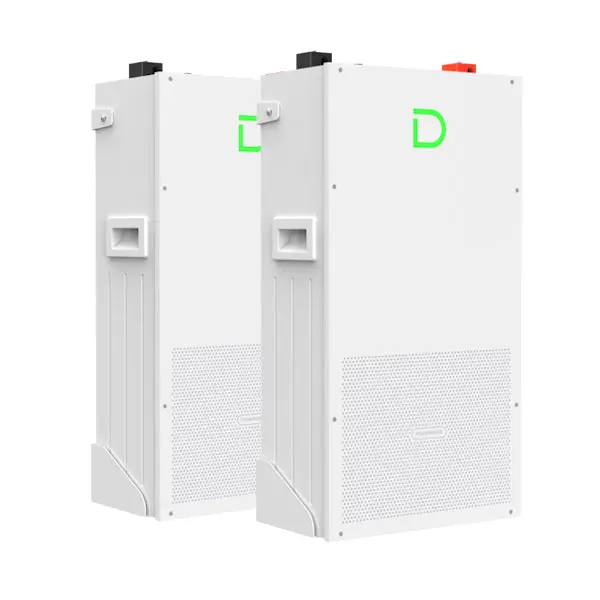
- Battery care: Keep firmware updated, avoid leaving batteries at 0% for long periods and make sure the inverter and battery settings match the manufacturer’s recommendations.
Monthly
Glance at the monitoring app: compare production with the same month last year.
Twice a year
Clean panels from the ground with a soft brush and water, or book a cleaning.
Yearly
Have an electrician check DC connectors, isolators, surge protection and battery terminals, and update firmware.
Watch for
Burning smells, warm DC isolators, repeated inverter alarms or batteries that no longer last the night.
Battery care
Keep firmware updated, avoid leaving batteries at 0% for long periods and make sure the inverter and battery settings match the manufacturer’s recommendations.
Frequently asked questions
Do solar panels need servicing?
A yearly check of connections, protection and firmware keeps the system safe; panels themselves need little more than cleaning.
How do I know if output has dropped?
Compare monthly production in the monitoring app with the same month last year. A drop over 10% is worth checking.
Can dirty panels damage the system?
No, but heavy soiling can cut output noticeably, especially near dusty roads and mines.
Official sources
- Eskom
- SALGA / AMEU embedded generation resource portal (SSEG)
- Global Solar Atlas (World Bank Group / Solargis)
Put it into practice
More guides
Compare systems, panels and brands
Panels and brands:
Complete guides: Solar panels in South Africa · Solar panel installation in South Africa