Published 25 November 2026 · 7 min read
- Why a new build is the cheapest time to plan solar: If you are building in Midrand, Waterfall or one of the surrounding estates, you have a chance most homeowners never get: you can design the house around the electrical system you will want in five years, instead of fighting the house you already have.
- Know who supplies your power: municipality, estate and rules: Midrand and Waterfall fall mostly under the City of Johannesburg, so electricity is typically supplied by City Power, though some areas and estates may differ and some bulk-metered developments have their own arrangements.
- Roof design: orientation, pitch and clear space: In South Africa, panels facing north generate the most energy over the year, and east and west faces are good for morning and afternoon production.
- Conduits and cable routes to install now: The most valuable thing you can do on a building site is install spare conduit.
- DB board layout: separate essential and non-essential circuits: A conventional board puts every circuit on one bus bar.
Local page: solar installers and prices in Midrand.
Why a new build is the cheapest time to plan solar
If you are building in Midrand, Waterfall or one of the surrounding estates, you have a chance most homeowners never get: you can design the house around the electrical system you will want in five years, instead of fighting the house you already have. Retrofitting solar into a finished home means chasing cables through ceilings and walls, finding space for batteries after the cupboards are fitted and reworking a distribution board that was never designed for backup.
Doing the same things on a building site is mostly a matter of foresight. A few extra conduits, a larger DB board, a reserved wall and a roof laid out sensibly cost very little during construction. Done afterwards, the same items can cost many times more, and some are simply impractical.
This guide covers what to ask your architect, builder and electrician to include before the plaster goes on, the rules that apply in this part of Gauteng and the choices that tend to matter most. It does not replace professional design, but it gives you the right questions.
Know who supplies your power: municipality, estate and rules
Midrand and Waterfall fall mostly under the City of Johannesburg, so electricity is typically supplied by City Power, though some areas and estates may differ and some bulk-metered developments have their own arrangements. Before you design anything, confirm exactly who your supplier is and whether the estate or the body corporate has its own rules.
Many Midrand and Waterfall estates have design guidelines. These can limit roof colours, panel visibility from the street, the position of solar geysers and the use of ground-mounted arrays. Some require approval of plans before construction, and some require approval of any solar installation separately. Ask your estate's architectural committee for the current guidelines and submit solar in your plans from the start.
Grid-connected solar needs registration as small-scale embedded generation with your supplier, and the rules, forms and fees change over time. Confirm the current process with the supplier and your installer rather than relying on a general guide, including ours.
Roof design: orientation, pitch and clear space
In South Africa, panels facing north generate the most energy over the year, and east and west faces are good for morning and afternoon production. A new build lets you choose roof orientation to suit. If the design allows, make sure at least one large, unshaded roof plane faces north, east or west, and keep it free from chimneys, vents, skylights and dormers that cast shadows.
Roof pitch also matters. Pitches of around 15 to 30 degrees work well for fixed panels in this region, and flat roofs allow tilted frames at the ideal angle. The roof structure must carry the extra weight, with a few kilograms per square metre, and the fixing points must be into trusses or purlins, not just the sheeting. Tell the engineer you plan solar so the loading is included.
Highveld hail is a real consideration. Panels should be tempered glass types with a decent hail rating, and the mounting should be strong. Locate rooftop plant like air conditioning units and extraction vents so they do not shade the array.
Conduits and cable routes to install now
The most valuable thing you can do on a building site is install spare conduit. Empty conduit costs very little and saves a fortune later.
- A conduit from the roof space or roof edge down to the DB board position for DC and AC cables. Use a generous size, for example 50mm or larger, with draw wires, and keep bends gentle.
- A conduit from the DB board to the planned inverter and battery wall.
- A conduit from the inverter wall to the meter box or the point of supply.
- A conduit to a possible future outdoor location, for example a pool pump or a garden building.
- Spare conduit to the garage if you might add an electric vehicle charger.
Ask your electrician to label both ends of each run and photograph them before plaster. Your future installer will be grateful, and so will you when the day comes.
DB board layout: separate essential and non-essential circuits
A conventional board puts every circuit on one bus bar. A solar and battery system works better when circuits are split into essential loads, which the inverter backs up, and non-essential loads, which stay on the grid only.
Ask your electrician to design the board with this split from day one. Typical essential circuits include lighting, plugs in main living areas, kitchen fridge and freezer, networking, gate and garage door motors, and perhaps one air conditioner. Typical non-essential circuits include the stove, oven, tumble dryer, pool pump, large geysers and a second air conditioner.
Leave space in the board and an enclosure large enough for a changeover or backup distribution board. Planning it as two boards on day one avoids the expensive process of splitting circuits later. All work must be done by a registered electrician under SANS 10142-1, with a Certificate of Compliance at the end.
Where the inverter and batteries will live
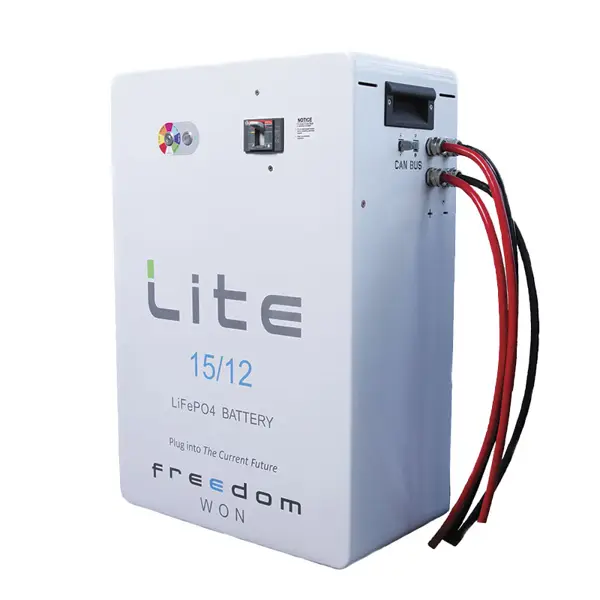
Pick the spot now. A hybrid inverter and lithium batteries need a wall or floor area, clearance for airflow and a place out of direct sun, rain and dust. Many builders choose a garage wall, a utility room or a dedicated plant cupboard.
Think about distance. Long cable runs between panels, inverter and batteries lose power and cost money, so keep the inverter close to the DB board and the battery close to the inverter. Choose a wall that can carry the weight, with proper brackets or a floor stand, and keep the area dry and ventilated. Heat shortens battery life, so avoid a west-facing wall or a cupboard with no air.
Also leave room for growth. Batteries are often added later, and an extra rack space or wall area costs nothing now.
Geyser, heat pump and other big loads
The hot water cylinder is usually the biggest single load in a house. A new build gives you a choice: a standard electric geyser with a smart controller or PV-diversion element, a solar geyser, or a heat pump. Each has different plumbing, roof and electrical needs.
If you want a solar geyser, ask the architect to place the geyser close to the roof and provide a suitable roof face for the collector. If you want a heat pump, give it an outdoor location with airflow and a power feed. If you want to run the geyser from excess solar, the geyser circuit should have a dedicated feed that a diverter or timer can control.
Plan for an electric vehicle charger too if there is any chance. Even if you do not buy an EV now, a conduit and a spare breaker space in the garage are cheap. The load list should include these so the inverter, cable sizes and supply capacity are not under-sized.
Supply capacity, metering and the single-line diagram
Ask your electrician or consulting engineer to design the supply capacity for the future, not just today. A house that will have a pool, heat pumps, EV charging and a battery system needs a properly sized main breaker and incomer cable. Three-phase supply is worth considering for larger homes.
Request a single-line diagram showing how the supply, DB, inverter, battery and panels connect. It helps your installer and the supplier, and it is a basis for the SSEG application. Smart metering and prepaid arrangements vary by supplier, so confirm with the supplier how your meter will work with embedded generation.
Keep a folder with the diagram, the Certificate of Compliance, conduit photographs and the inverter and panel documents. When the property is sold, buyers and their insurers often ask for it.
Pre-wiring versus installing the system during the build
You have two sensible paths. The first is to pre-wire: install conduits, a split DB board, a plant space and a roof layout, then add the inverter, batteries and panels after you move in when budgets allow. This keeps the build cost down and avoids retrofit pain.
The second is to install the full system during the build, so the house is solar-ready at handover. This can be efficient because the roofers, electricians and installers coordinate on site, and some funding arrangements through a bond may cover it, but you must check with your bank. Prices move, so avoid ordering equipment far ahead of use.
Either way, specify the work in writing in the building contract, so the builder knows what is included and who is responsible. Do not rely on a verbal promise, and keep the electrician and the solar installer talking to each other.
Next step
Before the plans are finalised, send us the floor plan, roof plan and the electrical layout. We can review the roof orientation, suggest conduit routes, mark a sensible DB and inverter position and tell you what to put in the electrician's specification so you are not paying for rework later.
If you are already past the plaster stage, we can still advise on the least disruptive way to add solar and batteries. Contact our team, and we will help you plan a system that suits your home and your estate's rules.
Frequently asked questions
What should I pre-wire for solar in a new build?
Install spare conduit from the roof to the DB board, from the DB to the planned inverter and battery wall, and to the meter box. Add a split DB board with essential and non-essential circuits, and a conduit for a possible EV charger. Label both ends and photograph the runs before plastering.
Do I need approval from my Midrand or Waterfall estate for solar panels?
Often yes. Many estates have architectural guidelines that cover roof colours, panel visibility and geyser positions. Ask the estate management for the current rules and include solar in the plans you submit. Rules differ between estates and change, so get the requirements in writing before you build.
Do I need to register solar with City Power in Midrand?
Grid-connected solar normally needs registration as small-scale embedded generation with your electricity supplier, which is usually City Power in much of Midrand. Procedures, forms and fees change, so check the current requirements with your supplier or let your installer handle the application.
Which way should the roof face for solar?
North-facing roofs generate the most over a year in South Africa, while east and west faces give good morning and afternoon output. Choose at least one unshaded roof plane in one of those directions, with a pitch of roughly 15 to 30 degrees, and avoid chimneys or vents that cast shadows.
Is it cheaper to install solar during construction?
Preparing for solar during construction is usually much cheaper than retrofitting because conduits, board space and roof structure can be built in at low cost. Installing the full system during the build can also work, but many owners pre-wire first and add equipment later when budgets allow.
Do I need a registered electrician for a new-build solar installation?
Yes. The electrical installation must comply with SANS 10142-1 and be issued with a Certificate of Compliance by a registered electrician. The solar and battery equipment should be installed by a competent installer, and inverters should meet NRS 097-2-1 for grid connection.
Official sources
Put it into practice
More guides
Compare systems, panels and brands
Panels and brands:
Complete guides: Solar panels in South Africa · Solar panel installation in South Africa